

Call or Text
(561) 781-5115
Intus Blog
Explore the official IntusFL blog for expert insights on construction. Find tips, guides, and inspiration for your next project
Planning Your Home Remodel in Miami:
A Step-by-Step Guide:
Planning a home remodel in Miami can feel overwhelming, but with a structured approach, you can transform your space efficiently. Follow these key steps for a smooth process.

Rate Cuts, Luxury Upgrades
Why Fed Easing Could Be Your Remodel Green Light.
Federal Reserve rate cuts are creating a direct "green light" for long-delayed luxury remodels in Miami. Lower borrowing costs—especially for popular home equity financing—make high-end projects like a $$$65,000+ kitchen overhaul instantly more affordable. This favorable financial climate is fueling the booming South Florida luxury real estate and renovation market.

The Florida Insurance Shake-up
Design for Premium Relief, Not Just Beauty in Miami
The skyline of Miami, Florida is a testament to architectural innovation, luxury, and ambition. Yet, beneath the polished glass and sleek facades, a silent crisis is reshaping how we build: the Florida insurance market.
The cost and scarcity of property insurance have become a headline issue, impacting everything from major commercial projects to single-family home remodels. For developers and property owners, the question is no longer if they can afford to build, but if they can afford to insure the finished product.
At Intus, we believe the answer lies not just in legislative reform, but in the foundation and frame of your project. We’ve moved beyond simply meeting minimum code—we are now designing for premium relief.

Global Money, Local Taste:
How Latin Buyers Are Re-shaping Luxury Miami Interiors
Miami's skyline may be defined by modern glass towers, but its Miami interiors are increasingly shaped by a warmer, more soulful influence: the global capital and culture flowing in from Latin America.
As international buyers—predominantly from countries like Brazil, Argentina, and Colombia—pour billions into South Florida real estate, they're not just purchasing luxury; they’re curating a new style that marries Miami’s sleek Tropical Modernism with the bold textures and art-forward sensibilities of their home countries.
The result is a vibrant evolution of Miami interiors, moving away from stark minimalism toward intentional, conscious luxury.

FEMA Funding & Miami Homes:
What Owners Need to Know Before Remodeling
When a major storm hits, FEMA is the primary source of federal disaster aid. But for homes in designated Special Flood Hazard Areas (SFHAs), the ability to access certain types of recovery funding is directly linked to your compliance with the National Flood Insurance Program (NFIP) and local flood-resistant building codes.
The key regulation every Miami homeowner must know is the FEMA "50% Rule," which governs "Substantial Improvement" and "Substantial Damage." This rule is designed to ensure that older structures are gradually brought up to current flood protection standards, increasing resilience and reducing the devastating costs of repeated flood damage.
Heat, Flood and Value:
The New Language of Luxury in Miami-Dade
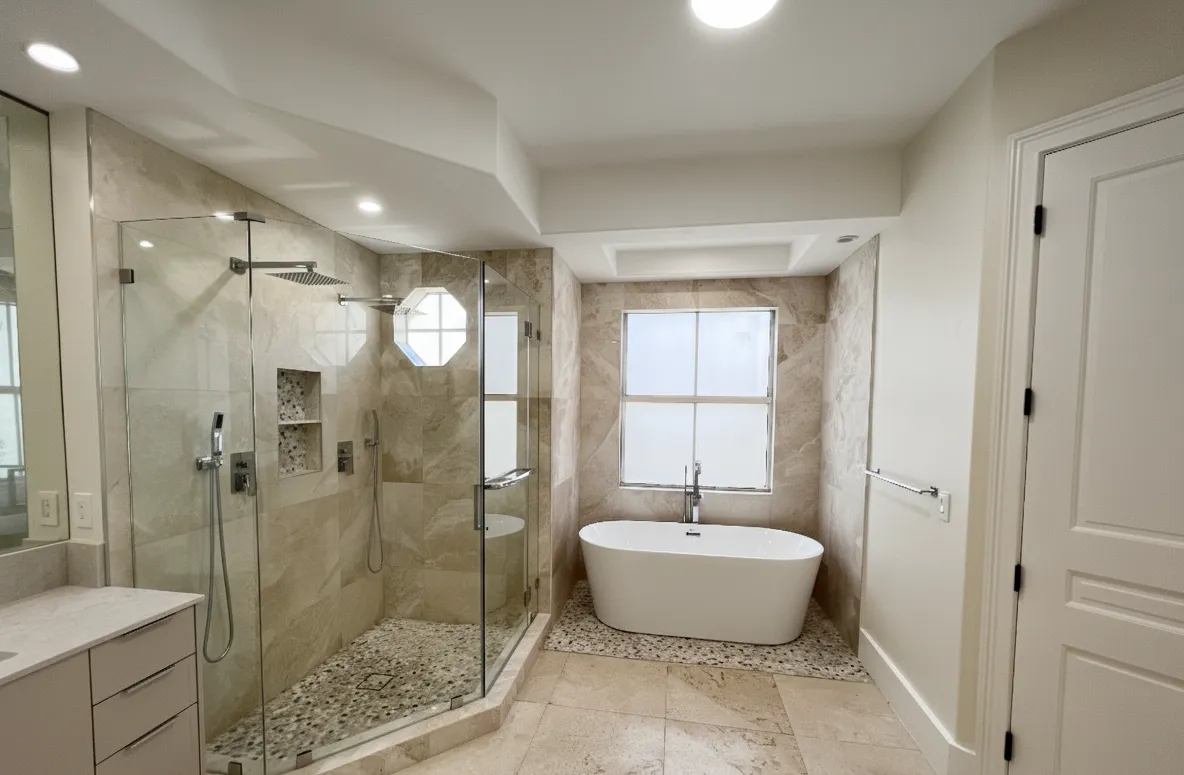
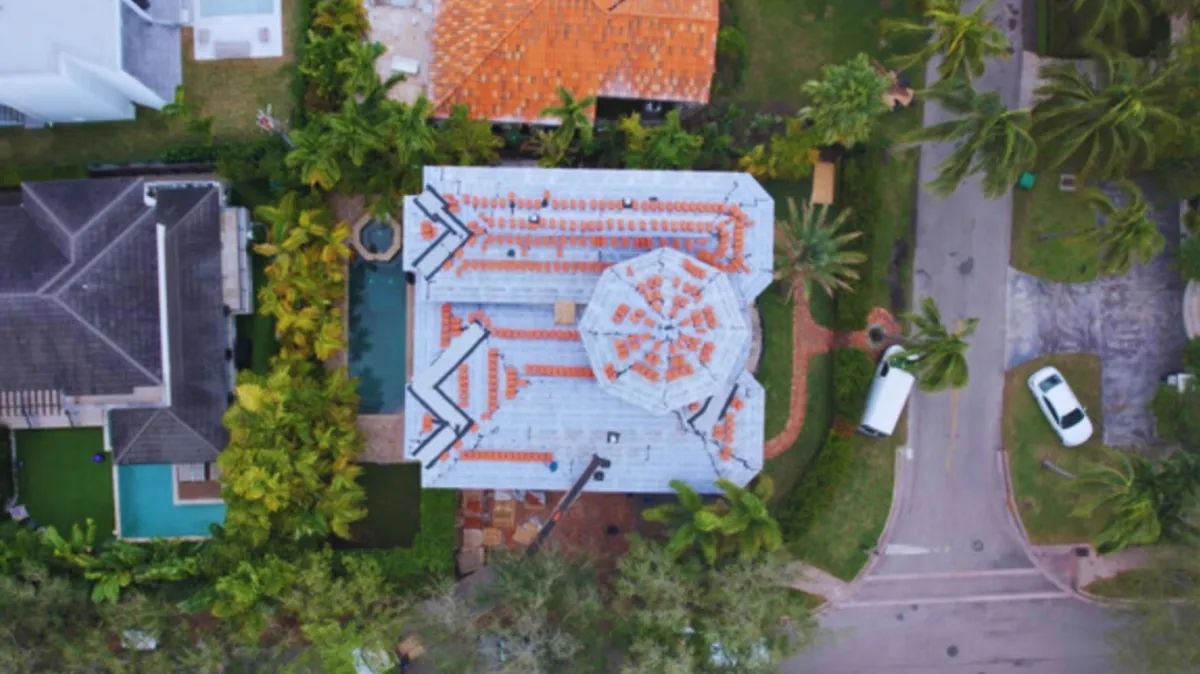
In a region defined by its High-Velocity Hurricane Zone (HVHZ) status, "luxury" has shifted from superficial aesthetics to foundational durability. High-impact construction, once a simple code requirement, is now a premium feature.
Buyers—especially those relocating from other markets—are increasingly seeking homes that offer a tangible shield against climate risks. This means the new status symbols aren't decorative; they are performance-based: cool roofs, elevated mechanical systems, and advanced envelope design that drastically lowers energy bills and future insurance claims. These features transform a beautiful house into a lasting, smart investment in Miami-Dade.

Our team is here to answer your questions and help you get started on turning your vision into reality.
Menu
Links
Terms of Use
Privacy Policy
Cookie Policy
Address
© 2025. Miami. All Rights Reserved.